Basic Motor Theory – Nothing Complicated!
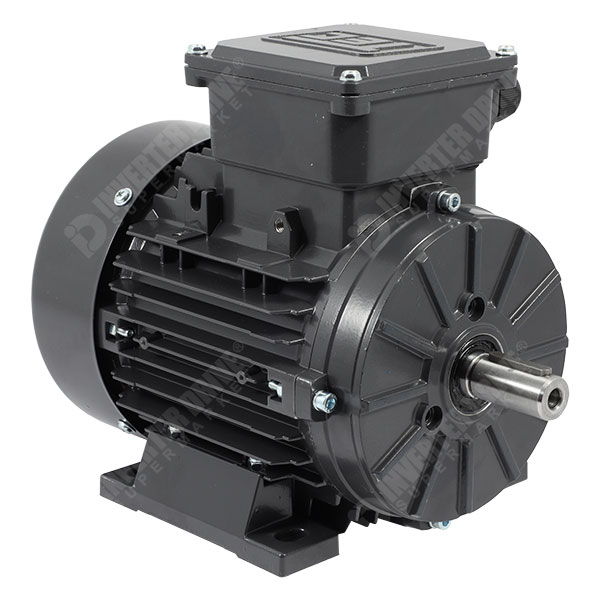
An induction motor has two main parts: the rotor and the stator.
The rotor rotates and the stator is stationary – easy to remember!
When an electrical supply is connected to the stator windings, it creates a rotating magnetic field. This is what we mean by fluxing the motor.
The speed at which this magnetic field rotates is determined by two things: the frequency of the electrical supply and the number of poles in the motor.
So, change the frequency of the mains supply and you change the speed of the rotating magnetic field.
But what makes the rotor turn?
As the stator's magnetic field rotates, it passes through the conductors of the rotor's squirrel cage construction. This induces electrical currents in the rotor – hence the name induction motor.
These currents interact with the stator's magnetic field to produce torque, causing the rotor to rotate.
The rotor follows the rotating magnetic field but always runs slightly slower. This difference in speed is called slip, and it is necessary for the motor to produce torque.
Fluxing the Motor
Here's something important.
For the motor to produce its rated torque efficiently, we need to maintain the correct strength of the magnetic field, or magnetic flux, within the motor.
If the magnetic flux is too weak, the motor's ability to produce torque is reduced.
If the magnetic flux is too strong, the motor can become magnetically saturated, resulting in excessive current and heating.
So, getting the magnetic flux right is important!
Controlling the Motor Speed with a Variable Speed Drive (VSD) / AC Inverter Drive
Now here's the really important bit...
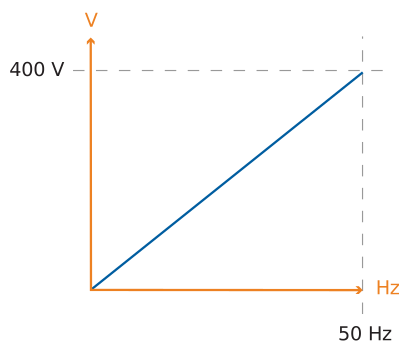
We already know that changing the supply frequency changes the speed of the rotating magnetic field and therefore the speed of the motor.
But we cannot simply change the frequency without considering the voltage.
To maintain approximately the same magnetic flux as we change the frequency, we need to change the voltage in proportion to the frequency.
This is called maintaining a constant Voltage-to-Frequency ratio (V/f).
For example, consider a motor rated at 400 V and 50 Hz.
- At 50 Hz, we supply 400 V.
- At 25 Hz, we supply approximately 200 V.
- At 10 Hz, we supply approximately 80 V.
By increasing or decreasing the voltage and frequency together, we maintain approximately the same magnetic flux within the motor.
This allows the motor to develop its rated torque across a wide range of speeds, from low speed up to its rated speed.
There are some complications at very low speeds, but we don't need to worry about those just yet!
The Important Thing to Remember
We have deliberately missed out a lot of motor theory here, but there are three important things to understand:
- Frequency controls the speed of the rotating magnetic field.
- Voltage and frequency together control the magnetic flux within the motor.
- Maintaining the correct magnetic flux allows the motor to produce its rated torque across its normal operating speed range.
This is the basic principle behind the constant torque operating range of a variable frequency drive.
All content and images created by Inverter Drive Supermarket. Last revsied October 2026